MOW
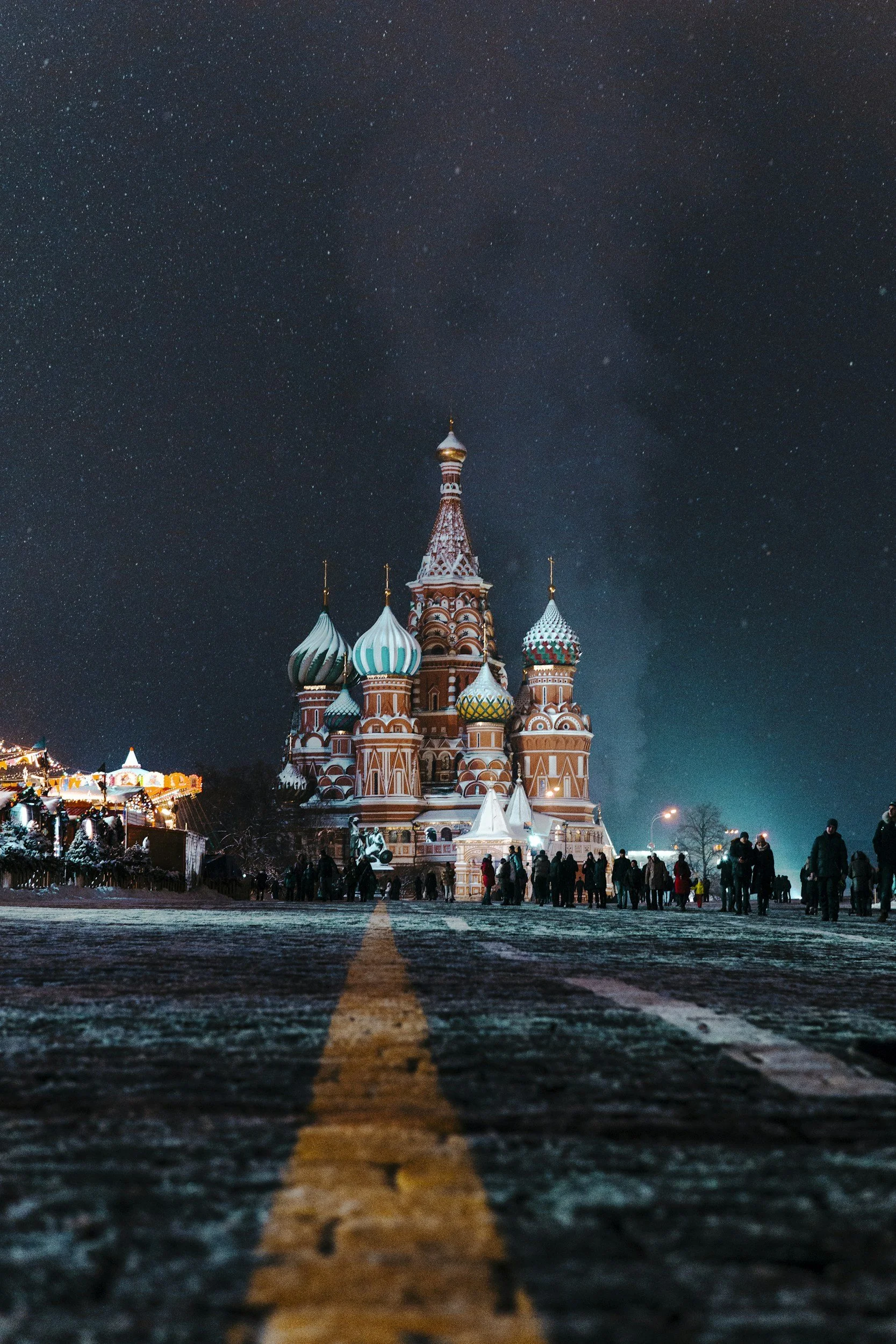
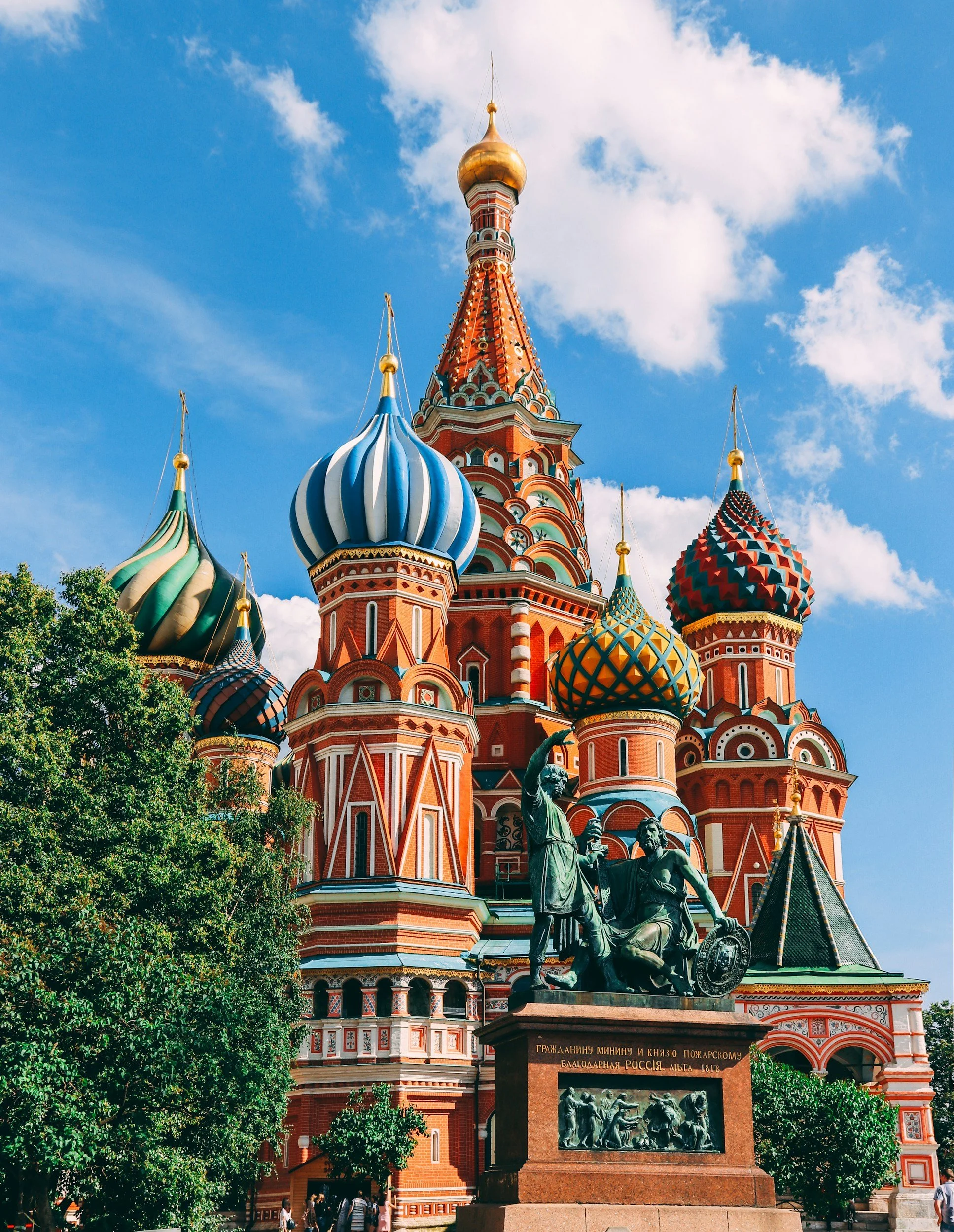
‘The Golden-Domed One’

Moscow, as capital of the reformulated Russian Federation since 1991, with dissolution of the USSR, retains its dominance as the largest city of Russia.
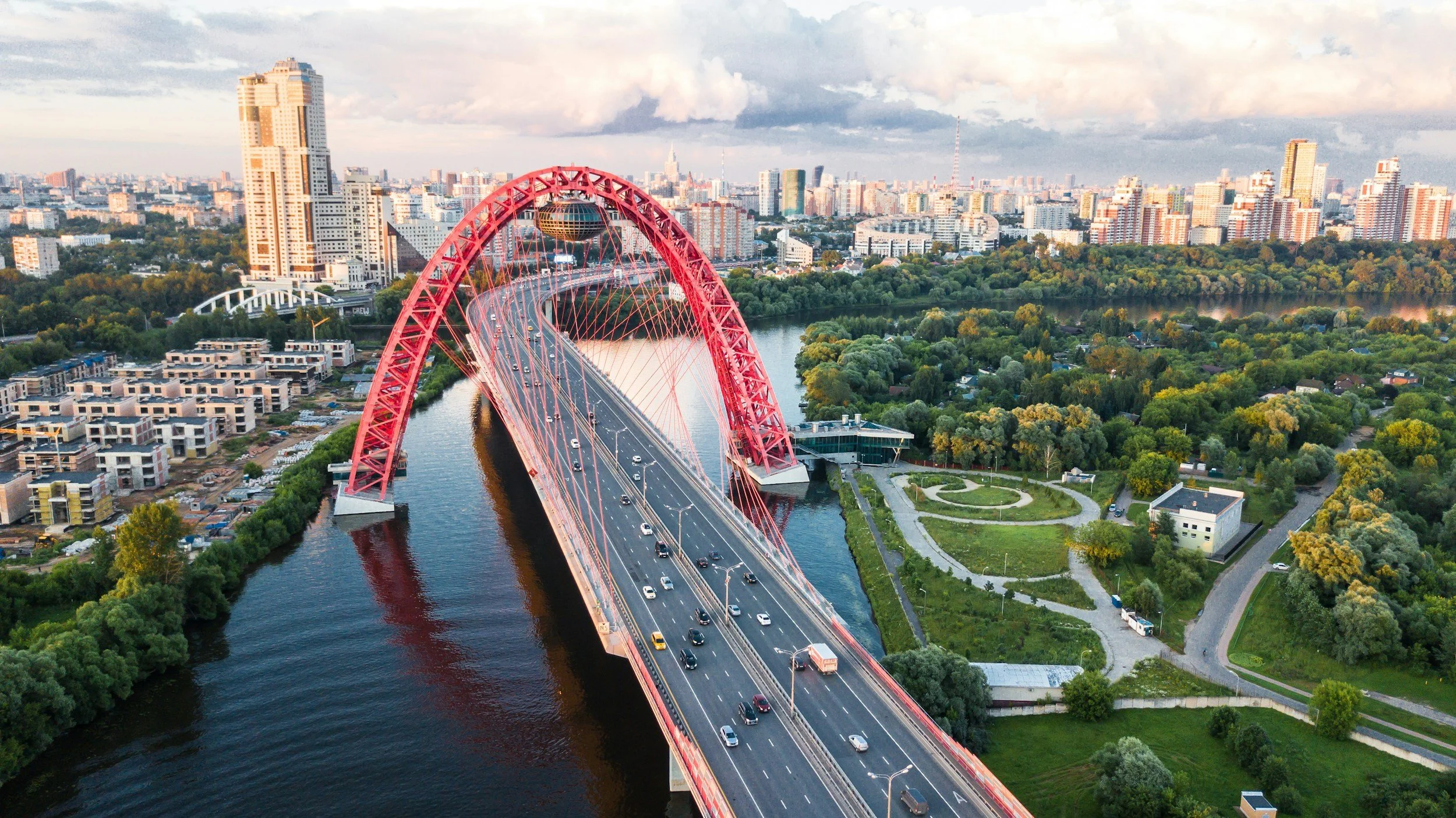
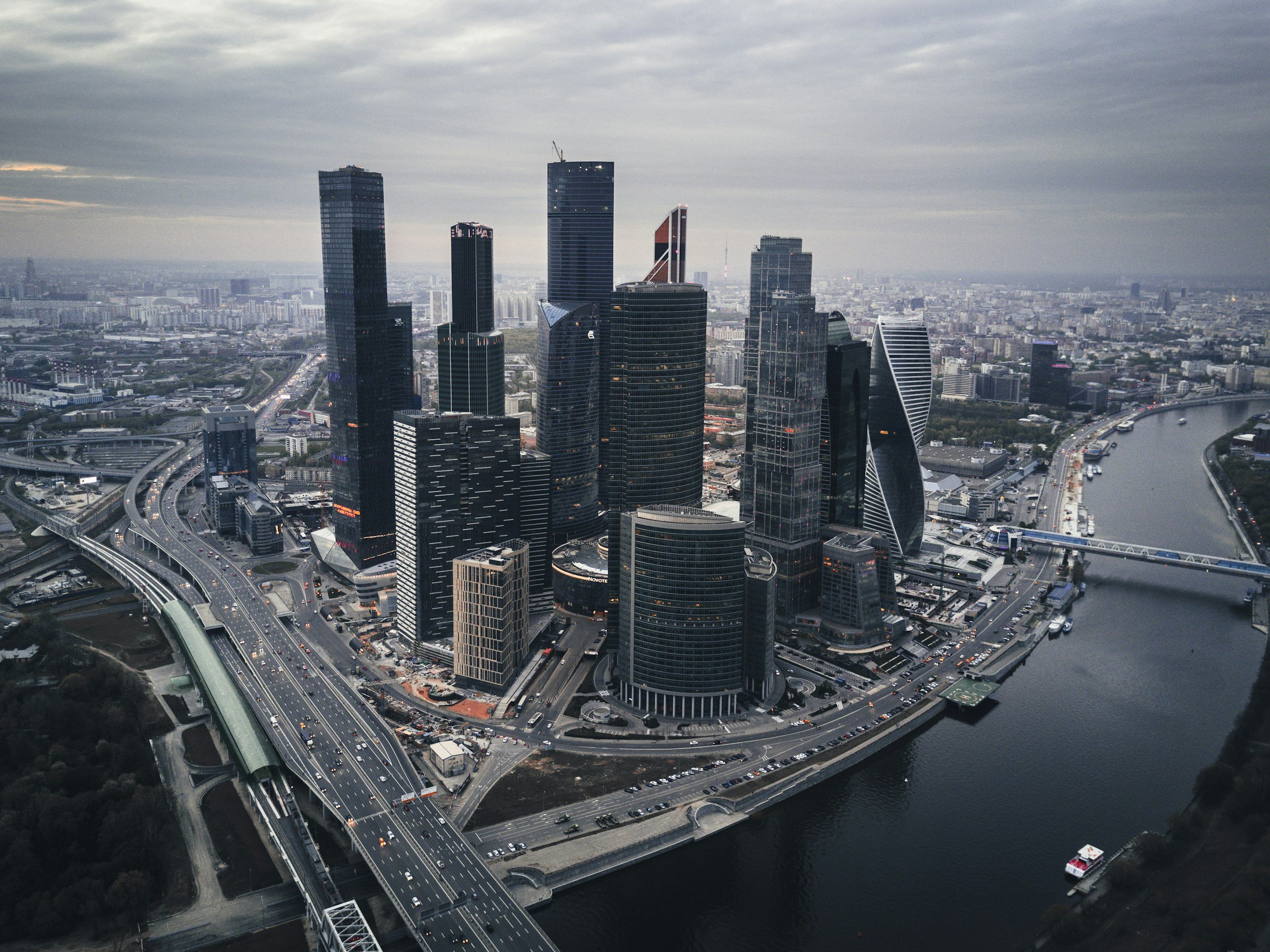
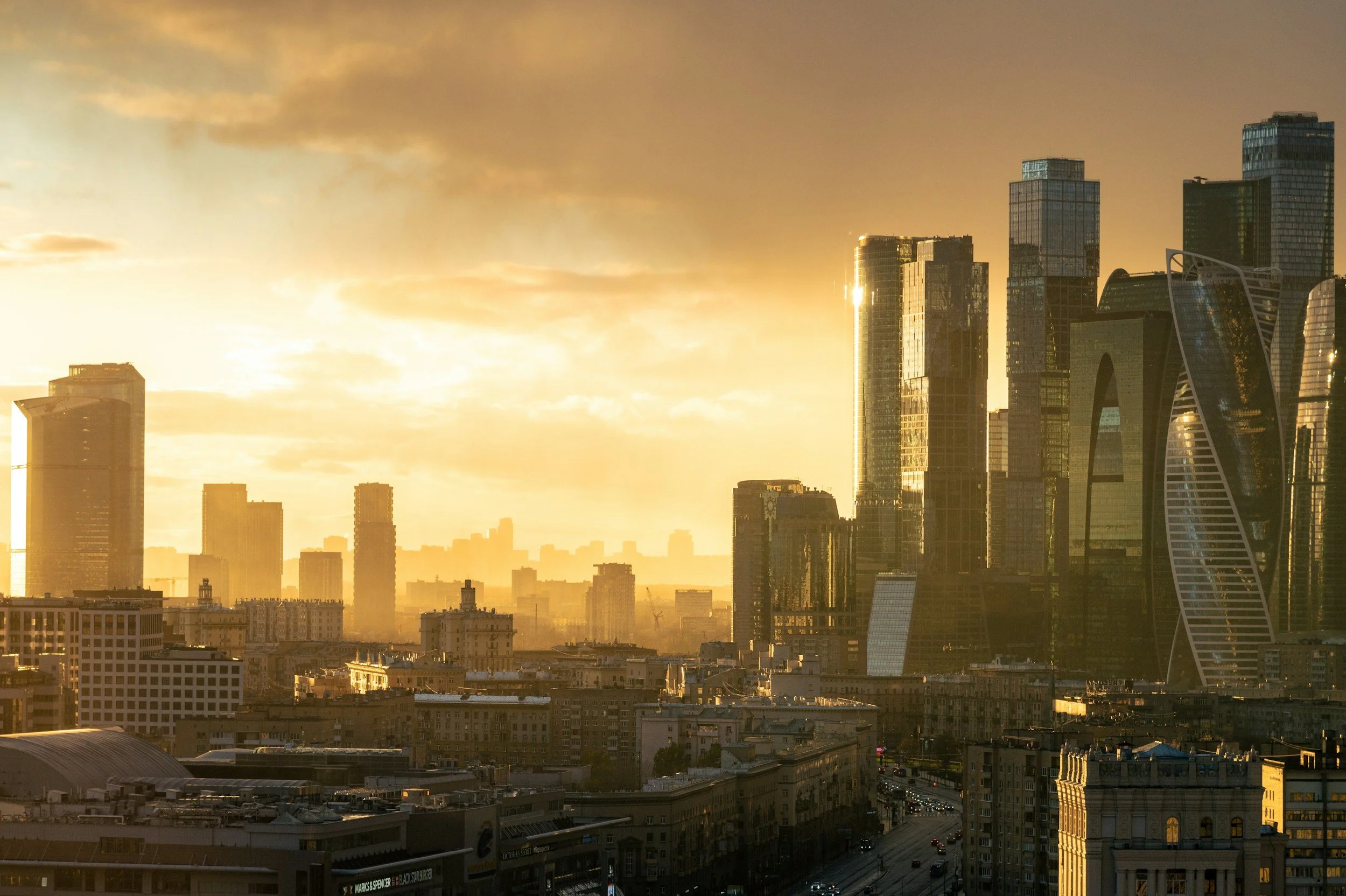
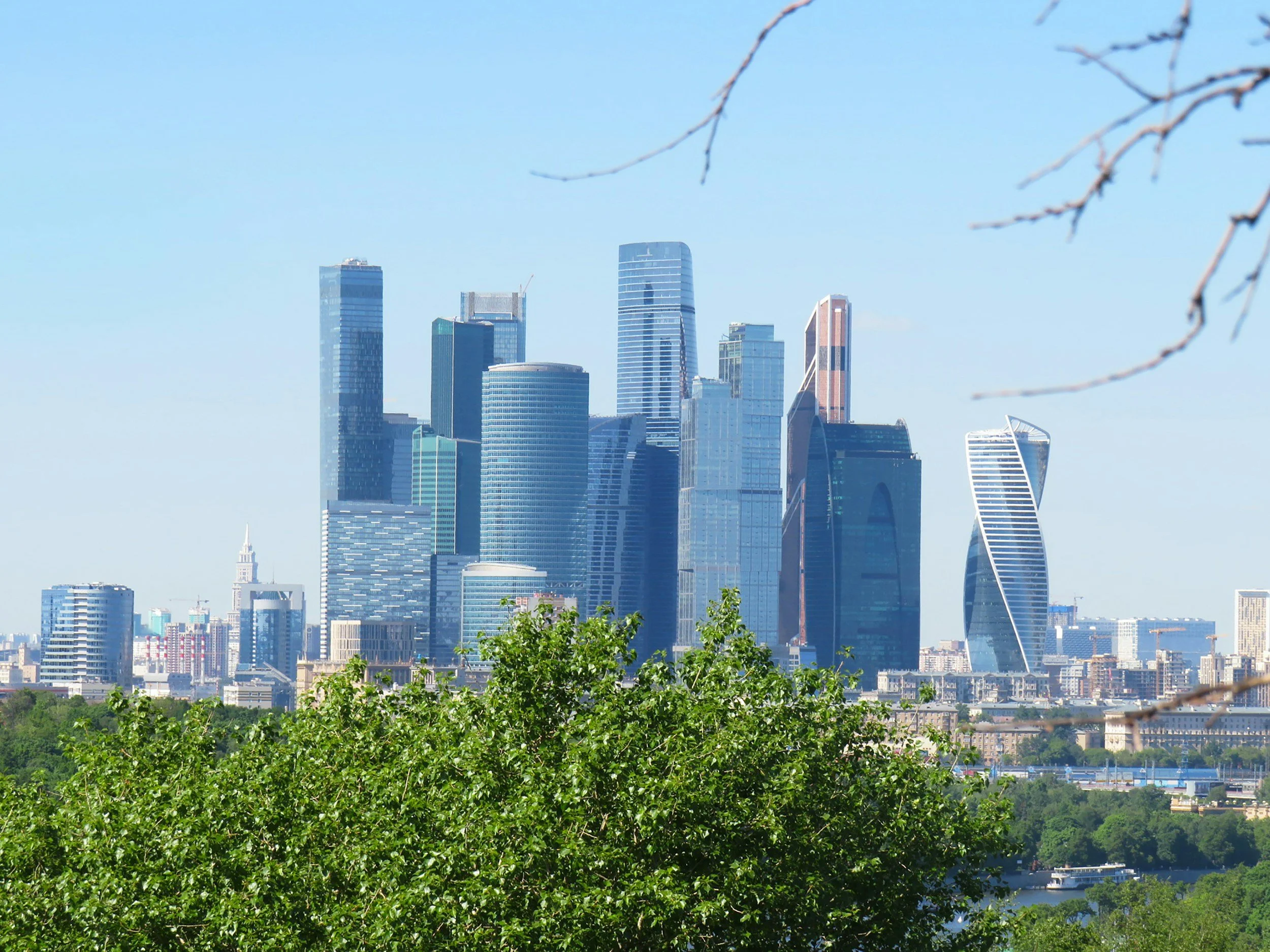
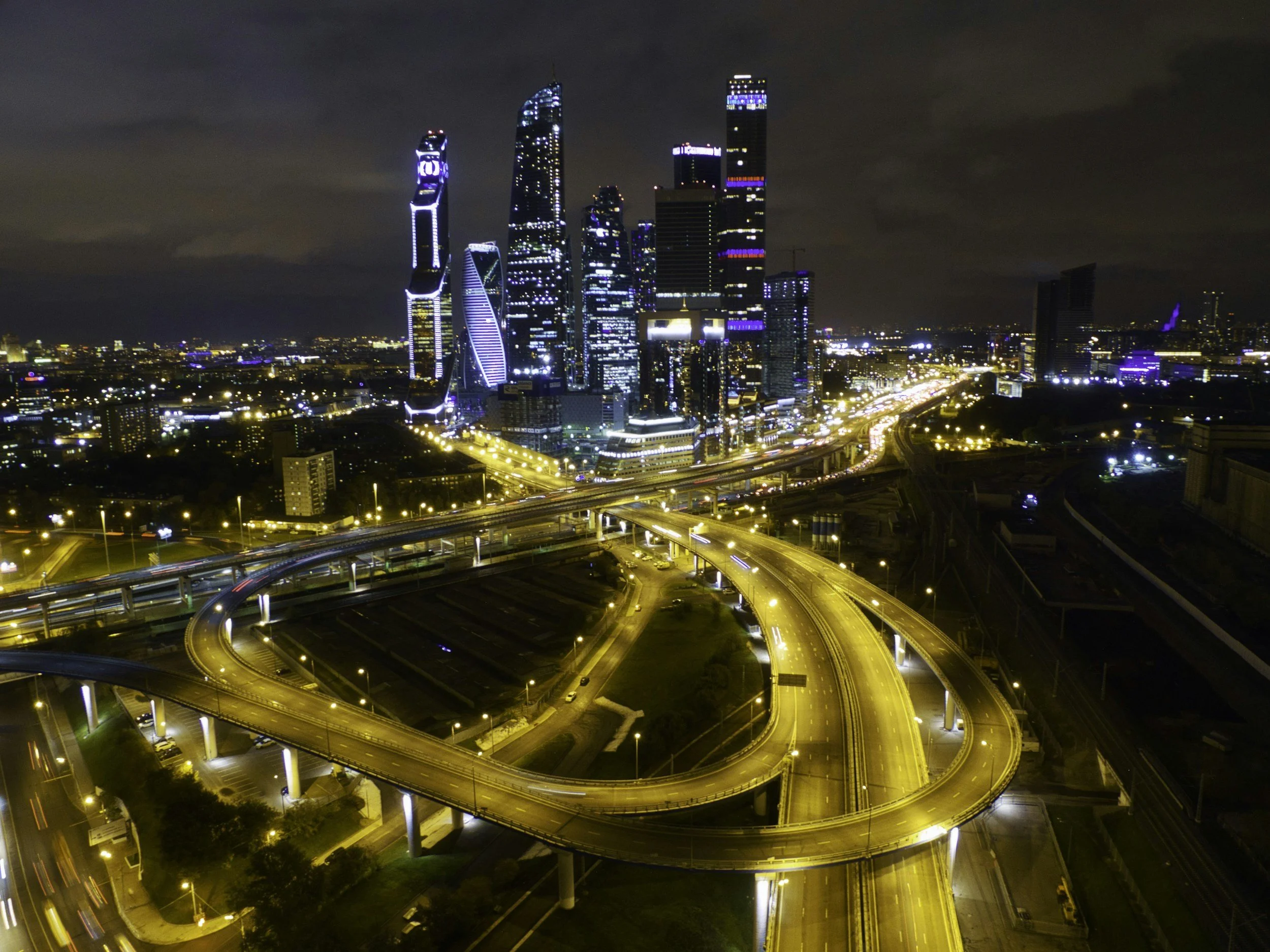
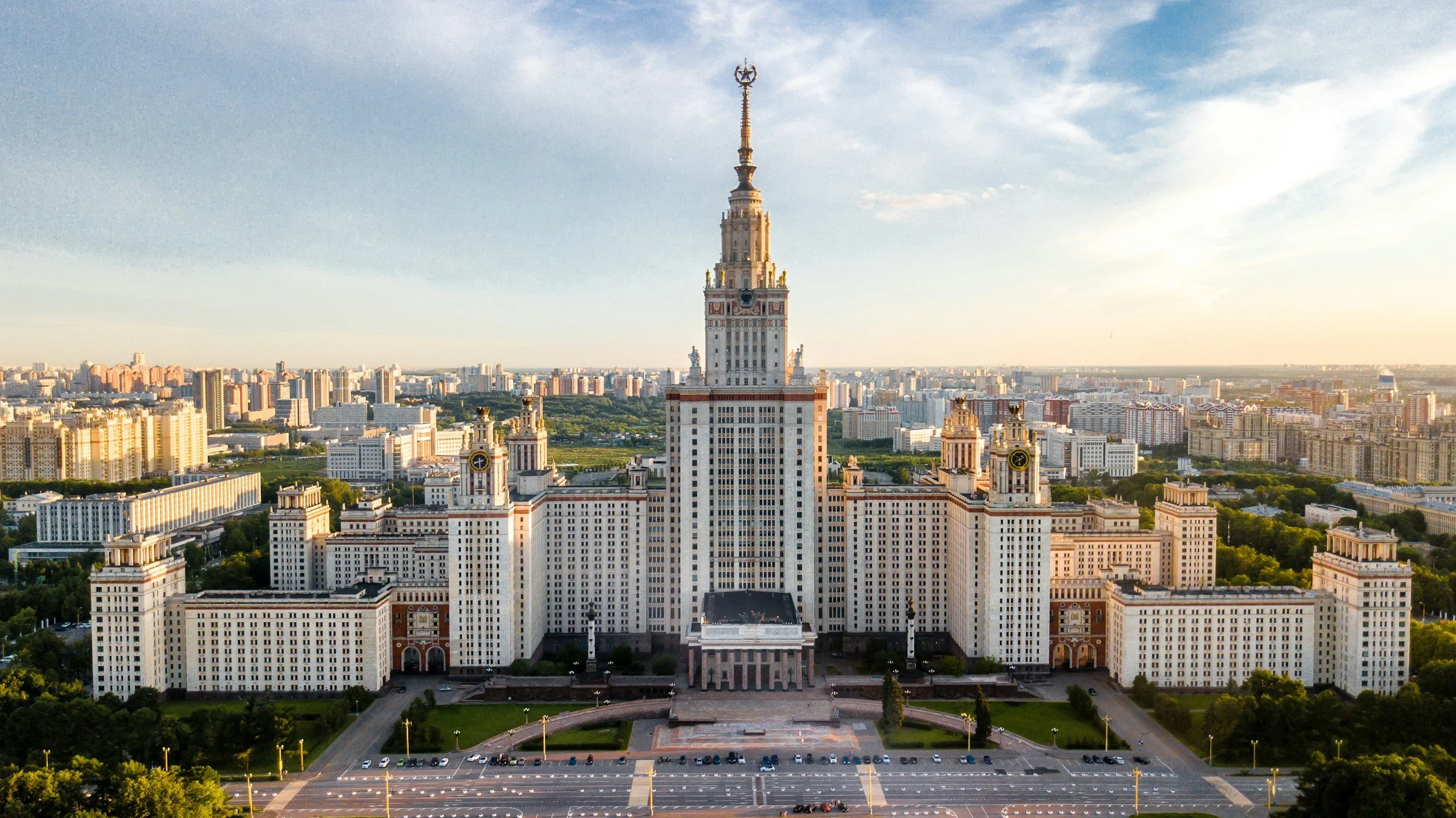
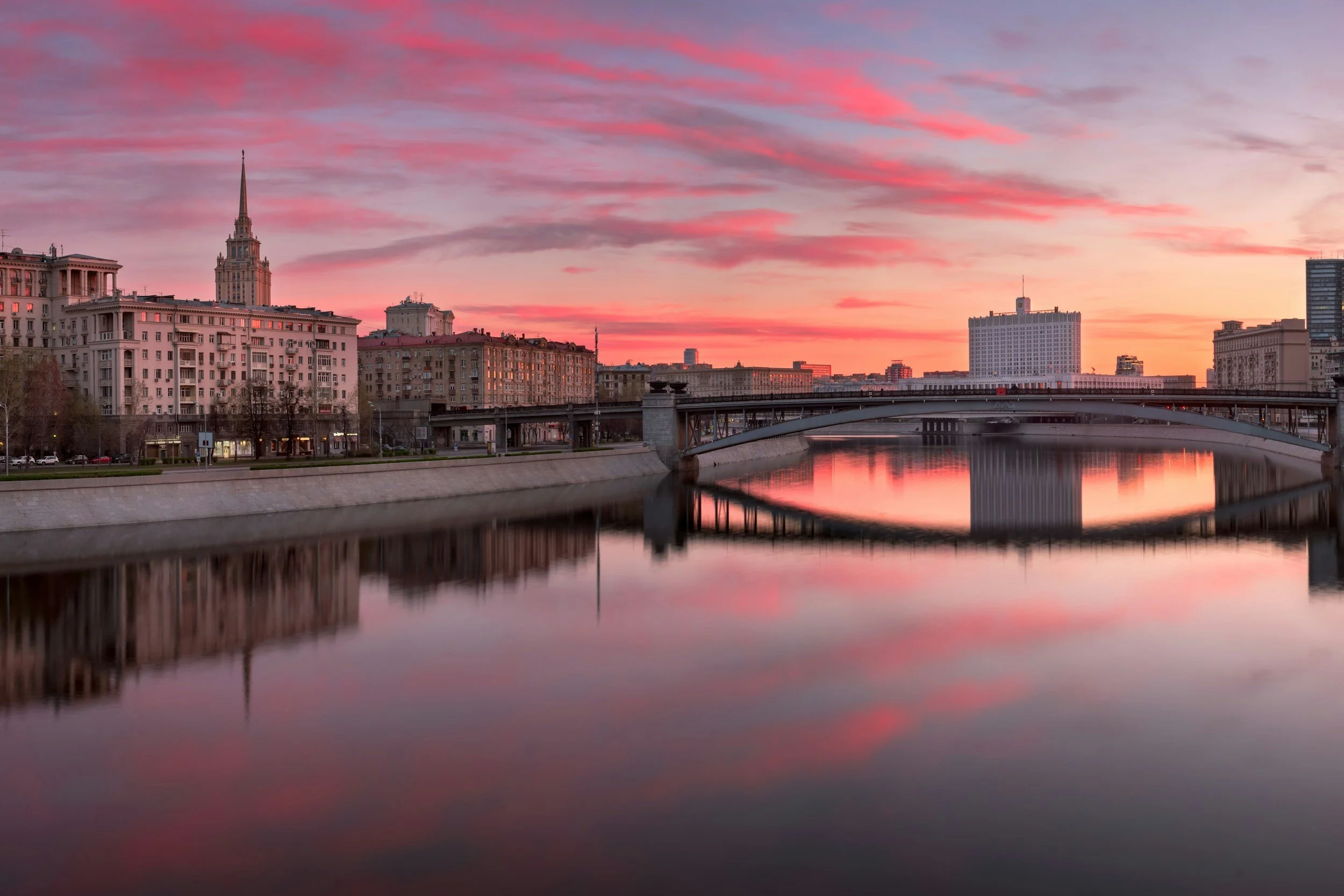
Of historic significance, on the Moskva River, its gold dome monuments remain – although rather overshadowed by Stalinist structures, such as the Seven Sisters, and modernist areas as the Moscow International Business Centre.
From its early medieval walls and Kremlin Citadel, the concentric nature of the city is continuing to extend outwards with its radial axes, ring roads (MKAD) and circular METPO lines.
Maps of Moscow
Overview
Streets and Networks
Satellite View
All maps above provided courtesy of Google Maps.
Population Density
Visualising population density in Global Cities
This interactive map shows population density in 2020, measured in residents per square kilometre.
The data is from the ‘Global Human Settlement Layer’ (GHSL) 2023, produced by the European Commission JRC and the ‘Center for International Earth Science Information Network’ at Columbia University using earth sensing data from the European Copernicus Space Program that Integrates high volumes of satellite data with national census data.
The GHSL describes the settlement geography of the entire globe and has applications for a wide range of research and policy issues related to urban growth, development and sustainability.
Map provided courtesy of LuminoCity3D.org.
Rail Networks
Rail and transport networks in Global Cities
The above map represents the urban metro and light rail network of the city and immediate suburbs. This shows individual rail routes and the level of connectivity for urban travellers across the expanding city’.
Map provided courtesy of UrbanRail.net.
Journals
26. Moscow + extract (Christopher Hibbert)
‘Moscow was a city surrounded by the waters of six rivers. It had begun its existence as a settlement at the foot of a hill, the Borovitsky Hill, on the north bank of the Moskva River. Here a fort had been built in the twelfth century and thereafter, the place grew and prospered when the Metropolitan of the Russian Orthodox Church moved his see here and Ivan III, the Great, extended the frontiers of the surrounding empire.’