ATH
‘City of Reason.’

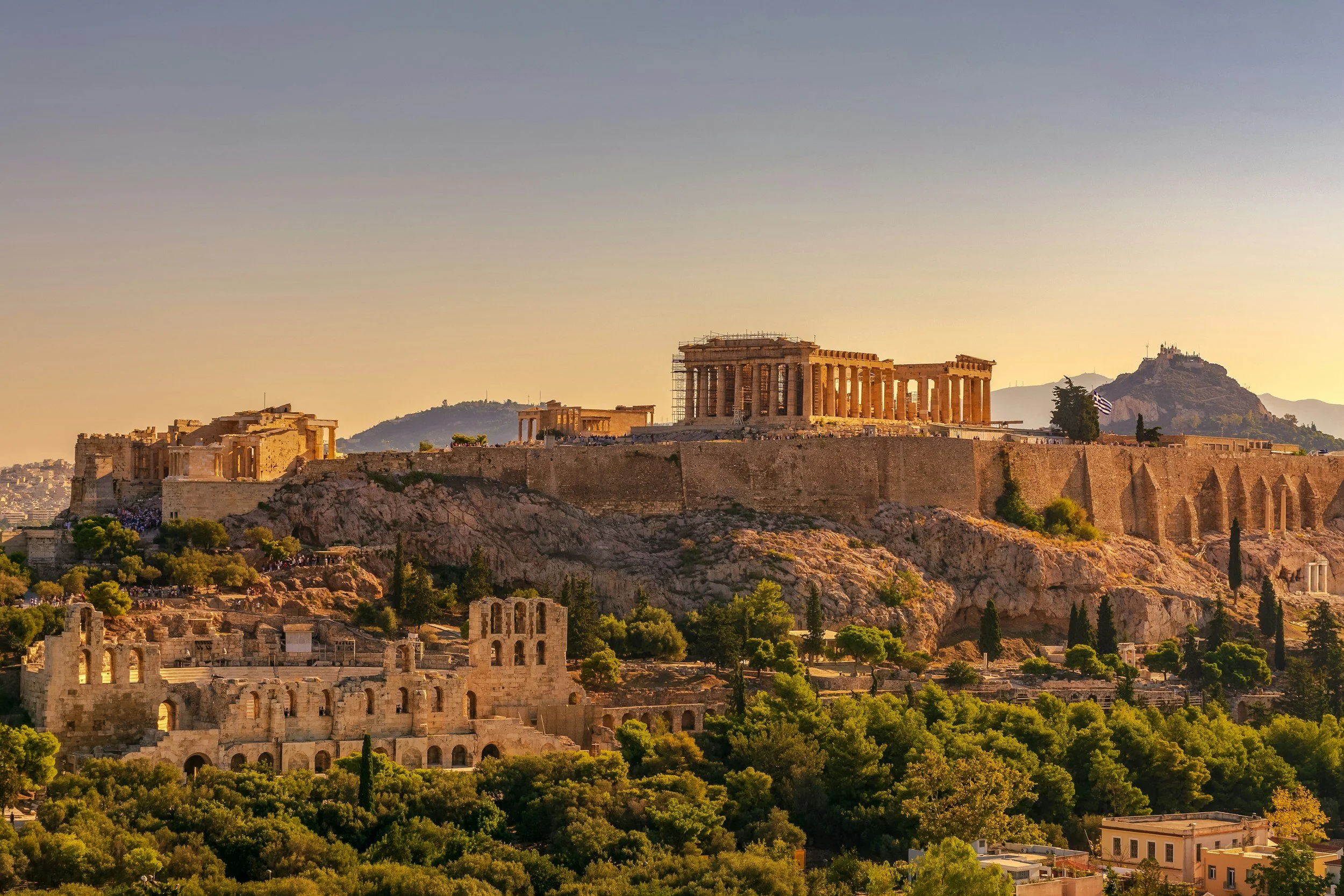
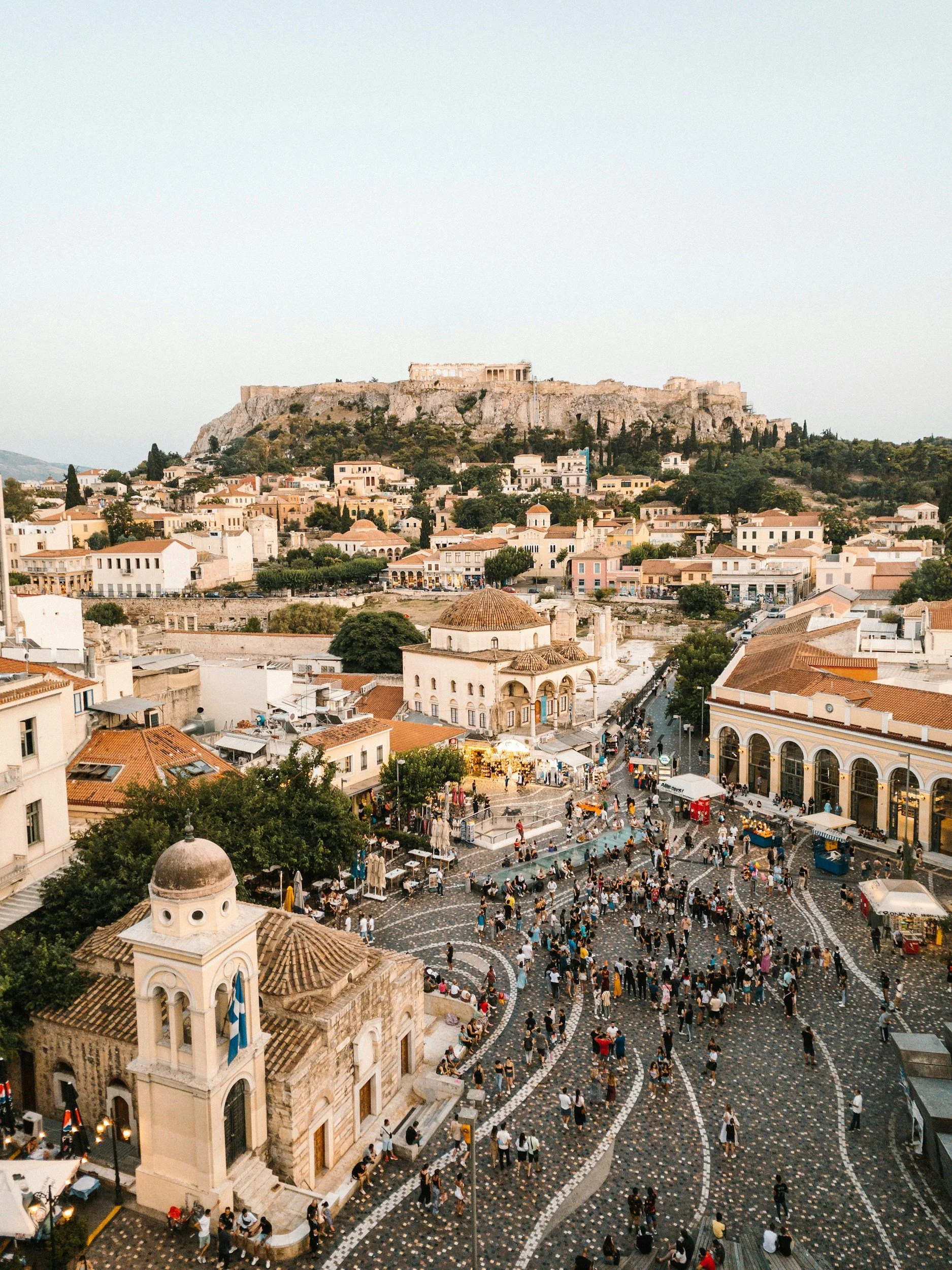
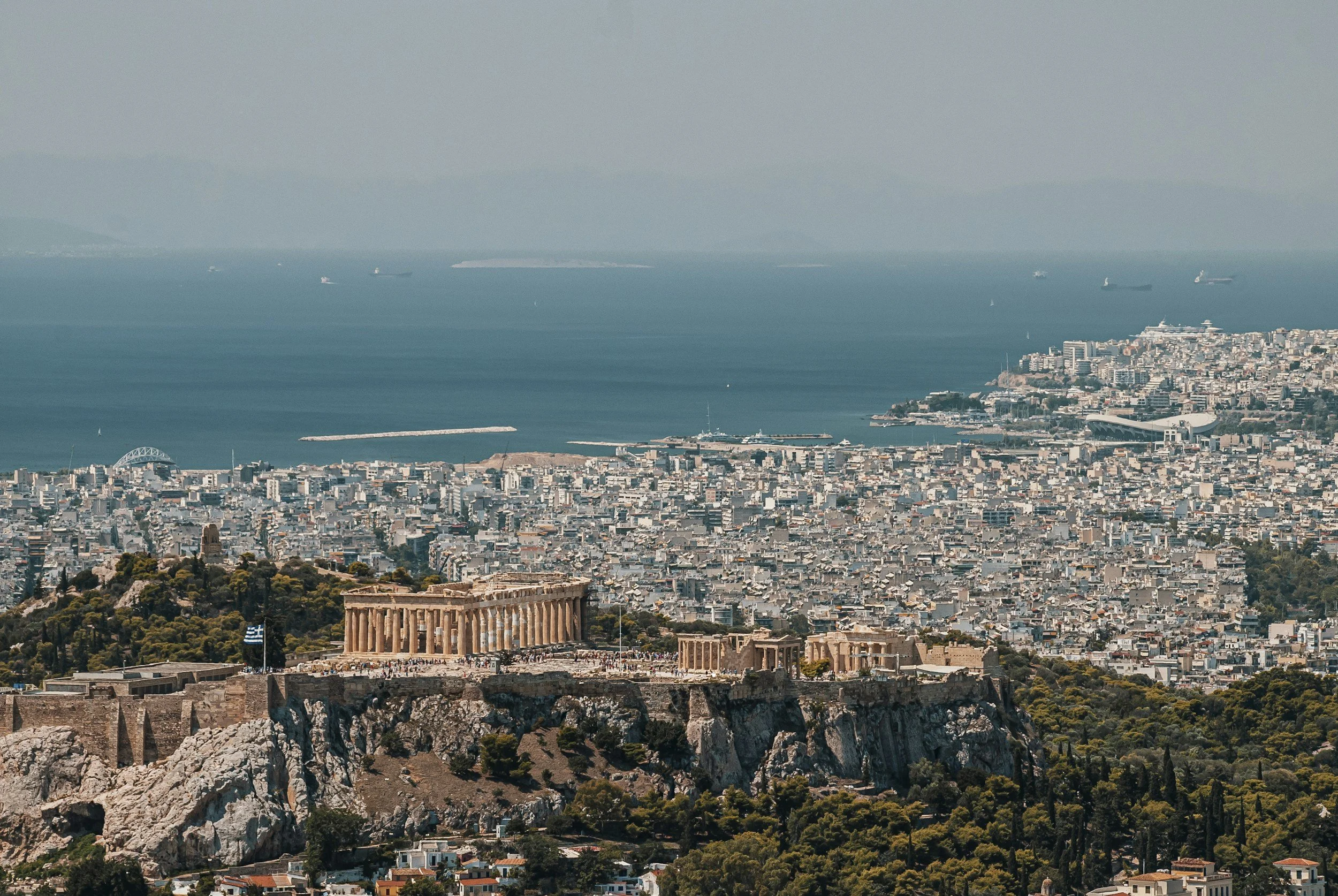
Athens, renowned for its ancient monuments, as the Parthenon astride the limestone Acropolis Hill, can still proudly display its former classical roots.
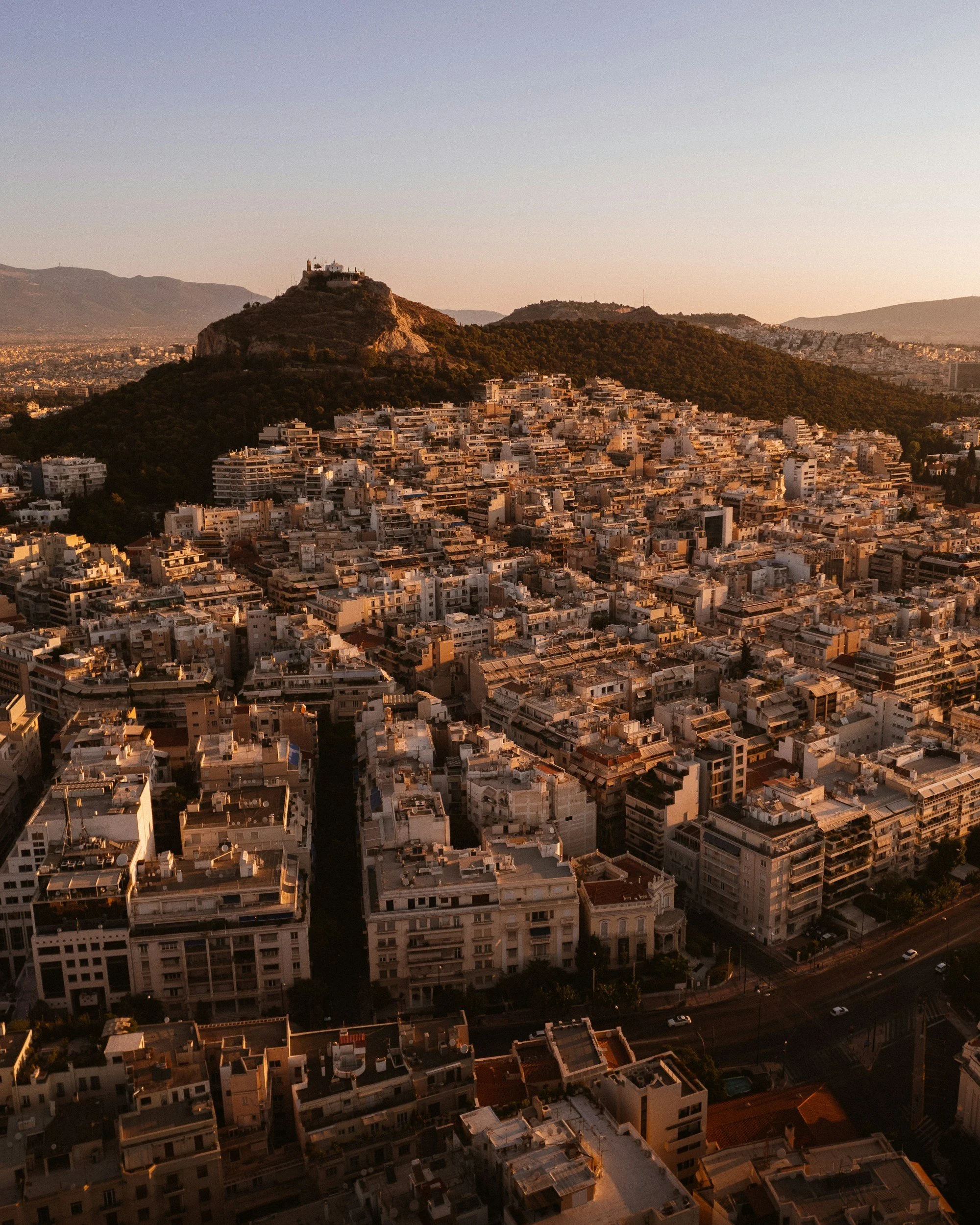
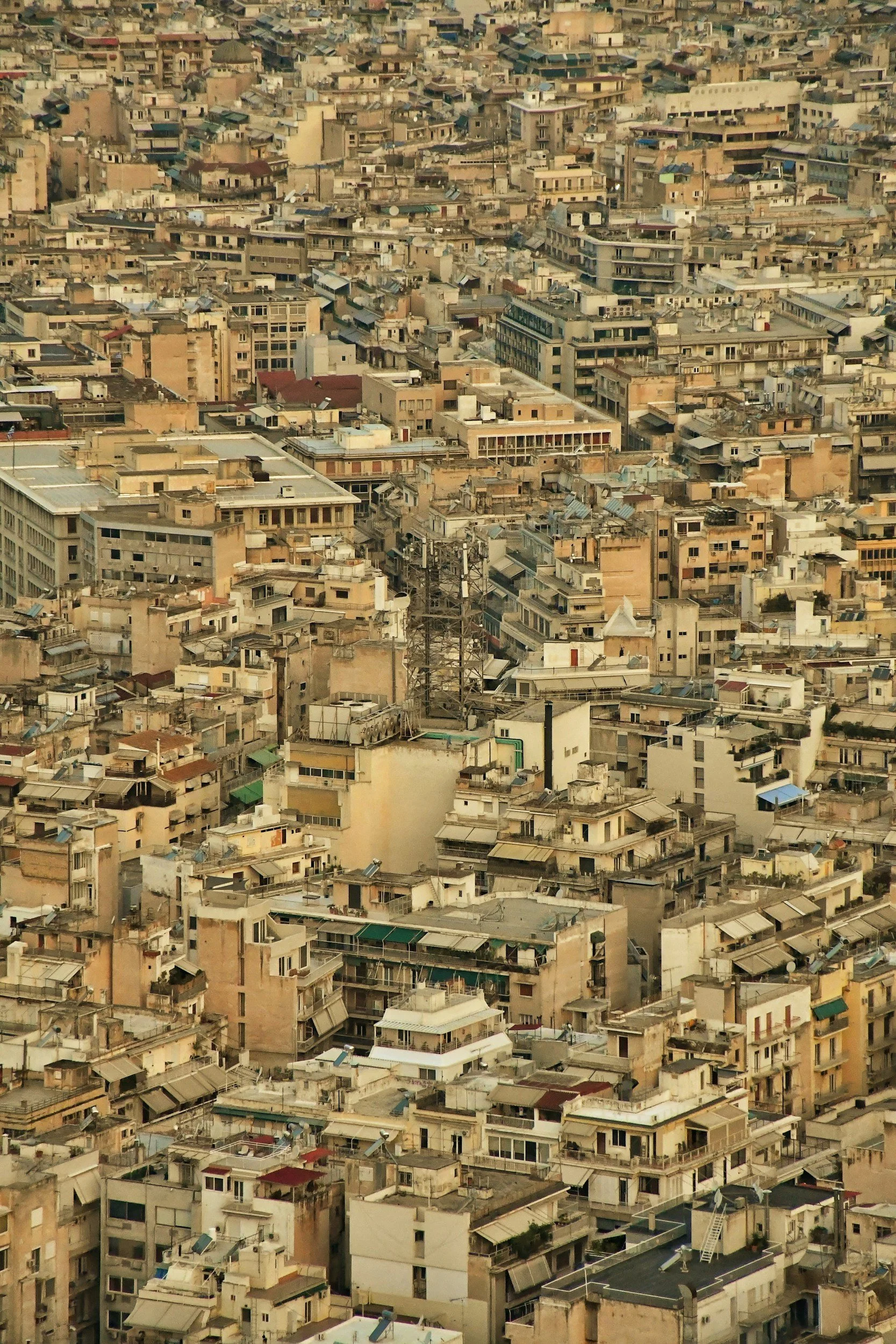
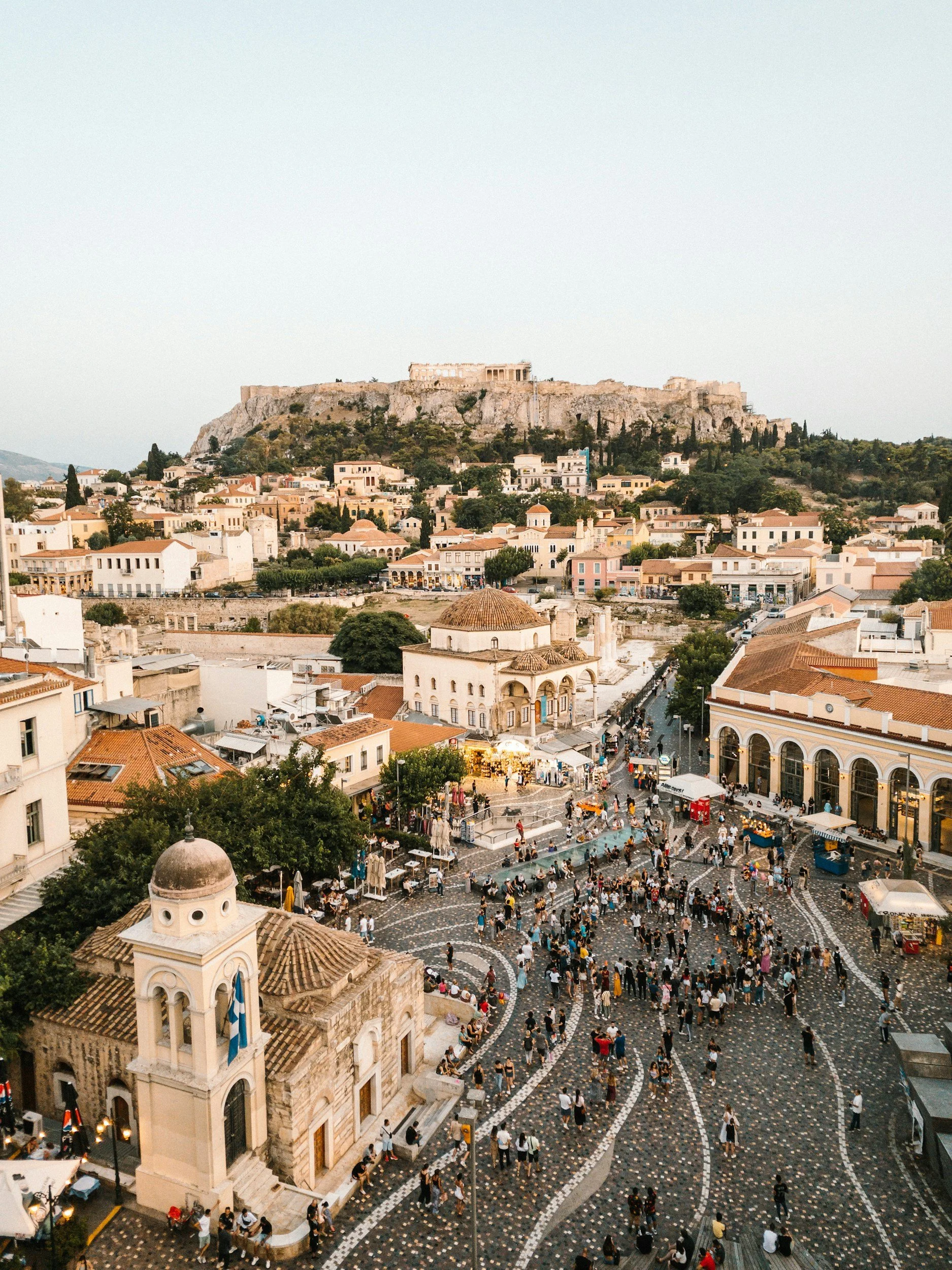
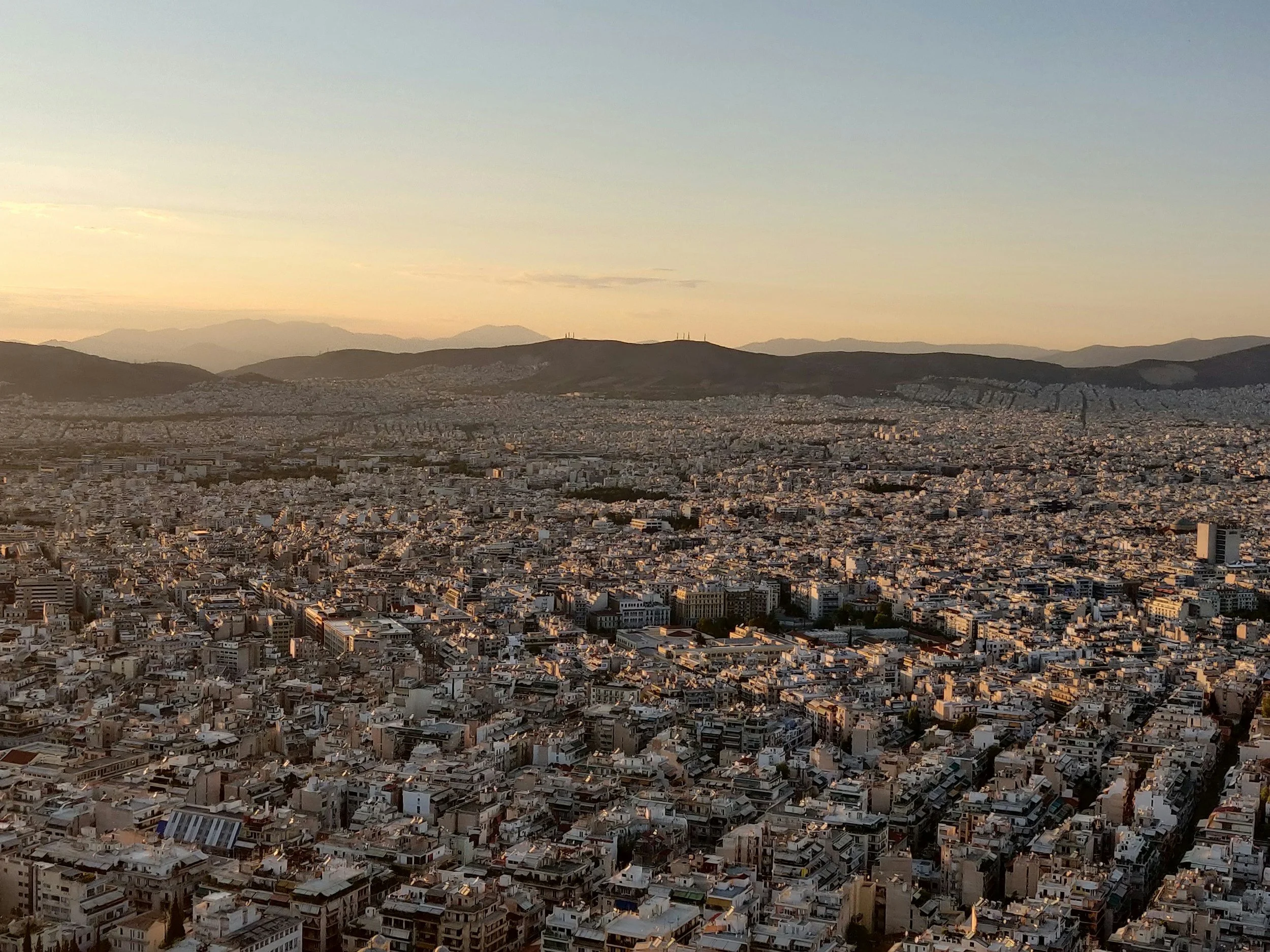
However, its now enlarged metropolitanised area has subsumed its central origins south to the port of Piraeus and Glyfada, and north to Kifissia and beyond across the Attica Basin.
After the modern 2004 Olympic Games, the focus remains on enhancement and enlargement of necessary urban transport infrastructure for its expanding population.
Maps of Athens
Overview
Streets and Networks
Satellite View
All maps above provided courtesy of Google Maps.
Population Density
Visualising population density in Global Cities
This interactive map shows population density in 2020, measured in residents per square kilometre.
The data is from the ‘Global Human Settlement Layer’ (GHSL) 2023, produced by the European Commission JRC and the ‘Center for International Earth Science Information Network’ at Columbia University using earth sensing data from the European Copernicus Space Program that Integrates high volumes of satellite data with national census data.
The GHSL describes the settlement geography of the entire globe and has applications for a wide range of research and policy issues related to urban growth, development and sustainability.
Map provided courtesy of LuminoCity3D.org.
Rail Networks
Rail and transport networks in Global Cities
The above map represents the urban metro and light rail network of the city and immediate suburbs. This shows individual rail routes and the level of connectivity for urban travellers across the expanding city’.
Map provided courtesy of UrbanRail.net.
Journals
27. Athens + extract (Ernst Gombrich)
‘Of the Greek city-states, Athens in Attica became by far the most important in the history of art… It was also at this time when Athenian democracy had reached its height… The temples in the sacred rock of Athens, the Acropolis, had been burned down and were to be rebuilt in marble and with splendour and nobility never known before… The Parthenon had been built in the Doric style, but in...’